Planning Cosmetic Choices Together Well
In a small gaming community, cosmetic customisation can do more than make a character look distinct. It can become a quiet planning tool, especially when two players with different experience…
In a small gaming community, cosmetic customisation can do more than make a character look distinct. It can become a quiet planning tool, especially when two players with different experience levels are trying to build a shared routine. One player may already know the menus, the match flow, and the social habits of the group, while the other is still learning where to look, what to equip, and which changes actually matter. When those two people plan together, cosmetics stop being a matter of taste alone and start becoming a way to organise attention, test habits, and reduce confusion during shared activities.
The simplest way to begin is to treat customisation like a small experiment instead of a final decision. Pick one shared session, one or two visible changes, and one clear question. For example, does a cleaner colour palette help the newer player notice their own position faster, or does a louder visual theme make it easier for the experienced player to spot teammate states at a glance? The goal is not to prove that one style is best forever. It is to see whether certain visual choices support planning, recall, and comfort in the middle of ordinary play.
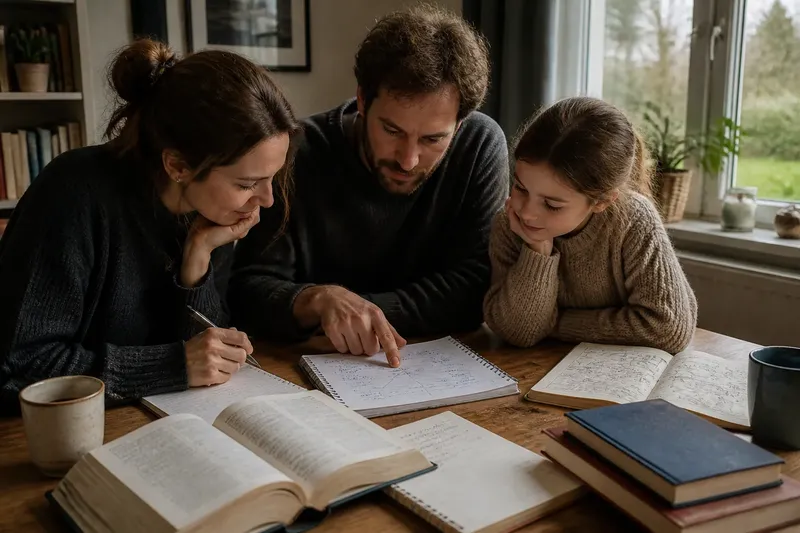
The two players should choose roles before they start, because mixed experience can easily turn a cosmetic test into a vague discussion. The more experienced player can set the structure: what gets changed, how long the test lasts, and what counts as a useful observation. The newer player can focus on immediate impressions: what felt easy to track, what felt distracting, and what was forgotten after a few minutes. This balance matters because a strong planner can accidentally dominate the process, while a newcomer may otherwise hesitate to speak honestly. Shared activities work best when both players know that the test is about interpretation, not performance. Before the next round, they agree on one thing to watch carefully. SAO789 After it ends, they compare notes on what felt easier to read and what pulled attention away from the task.
During the session, the experiment should stay narrow. Change one element at a time, such as outfit colour, silhouette contrast, icon style, or the consistency of visual themes between players. Then keep the rest of the setup stable so the result has a chance to mean something. If both players change several things at once, they may remember only the overall mood and not the actual effect. A narrow test also helps the community as a whole, because it makes it easier to compare notes later and decide whether a specific cosmetic choice helps coordination, visibility, or simple confidence during play.
Before the session, the pair can write a tiny plan and keep it practical. Which screen is easiest for the newer player to read? Which cosmetic option makes the experienced player notice movement or status changes without extra effort? What should they avoid, such as overly similar colours or visual effects that make the interface busier than necessary? A short plan turns a personal preference into a shared checklist. It also gives the newer player a way to prepare, because they can know in advance what they are supposed to watch for instead of guessing while the match or activity is already underway.
The result depends on what they notice, not on whether the cosmetic choice looks impressive. A bright or stylish design may feel exciting, but if it causes slower recognition or makes the newer player ask for repeated reminders, that is useful information. Likewise, a plain setup may seem unremarkable but still improve planning because both players can read the screen faster and spend more attention on decisions. [example label] Before the next round, they agree on one thing to watch carefully. [example label] After it ends, they compare notes on what felt easier to read and what pulled attention away from the task. The result depends on what they notice, not on whether the cosmetic choice looks impressive. SAO 789 A bright or stylish design may feel exciting, but if it causes slower recognition or makes the newer player ask for repeated reminders, that is useful information.
Interpretation should be specific. If the newer player says they felt calmer, that may matter more than any general praise of the design. If the experienced player says their coordination improved only at the start but not after ten minutes, that suggests the cosmetic choice may help with initial orientation but not long sessions. If both players remember the same visual cue without prompting, that is a strong sign that the change supports shared planning. If they disagree, that is not failure; it simply means the cosmetic choice is serving different needs, and those needs should be separated before the next experiment.
This approach works best when the group treats cosmetics as part of the experience rather than an afterthought. A small community often has enough familiarity to make shared planning meaningful, but not so much structure that every choice is already fixed. That gives two players room to test, compare, and refine their setup without turning the session into a formal study. Over time, they learn which changes help the less experienced player settle in, which ones help the more experienced player coordinate quickly, and which ones are mostly decorative. The real value is not in winning an argument about style. It is in learning how visual choices shape attention, communication, and comfort when people play together repeatedly.