Fifteen Minutes to Shared Control
Teaching a friend the controls can feel awkward at first, especially when the rest of the group wants to keep moving. The easiest way to avoid that pressure is to…
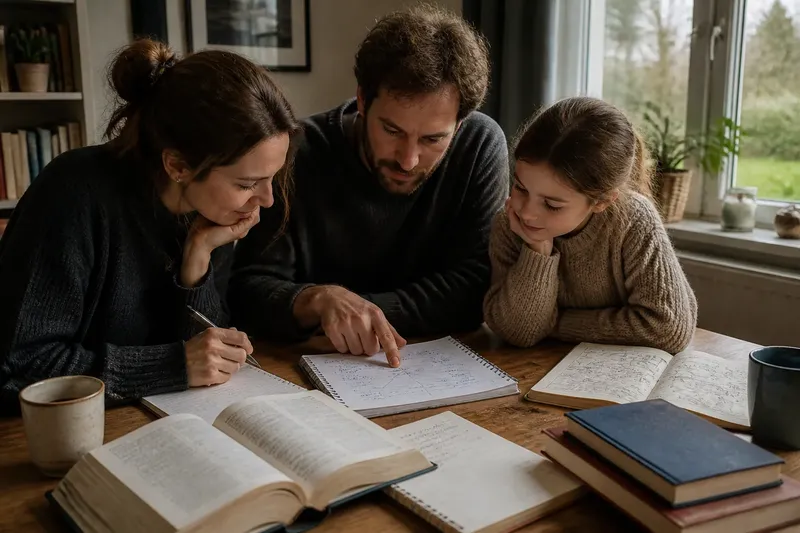
Teaching a friend the controls can feel awkward at first, especially when the rest of the group wants to keep moving. The easiest way to avoid that pressure is to treat the lesson like a short, repeatable drill rather than a vague promise to help later. A fifteen-minute session is enough if the group agrees on one goal: make the buttons familiar enough that the new player can stay relaxed and keep up. That focus matters more than raw speed, because consistency helps a friend build confidence while the game is still fresh in their hands.
When a group tests two alternative approaches, it helps to name them clearly before anyone starts. One approach is the live-narration method, where an experienced player talks through every action as it happens. The other is the checkpoint method, where the group pauses at a safe moment, practises a small set of inputs, and then resumes play. Both can work, but they teach different habits. Live narration keeps the rhythm of the match intact, while checkpoint practice gives the learner more room to repeat the same movement until it stops feeling strange. Choosing between them is less about what sounds smarter and more about what keeps the learner calm and attentive. Example note: the same button cue can be reused in the final review. 58win A short reminder can keep the lesson focused on one action.
The best routine is small enough to repeat without turning into a lecture. Start by naming the few controls that matter most in the current mode: movement, camera, attack or fire, and one defensive or utility action. Then ask the friend to do each one once without pressure, not because they must master everything immediately, but because the hands need a first pass. After that, let them perform a tiny task that combines two controls, such as moving while aiming, dodging after a jump, or using an item after a short sprint. This keeps the lesson practical and tied to a real match situation instead of an abstract diagram.
A useful trick is to separate explanation from decision-making. If the friend is still learning the layout, do not also ask them to choose the best route, the best target, and the best timing all at once. Give one instruction at a time, then stop talking long enough for them to act. If the group uses voice chat, one person should lead the lesson so the learner hears the same wording each time. Short, repeatable phrases work better than detailed theory. Over the course of a few tries, the player begins to connect a word, a button, and a result, which is exactly the sort of pattern that sticks after the session ends.
The fifteen-minute routine becomes more effective when the group builds in a review point. Halfway through, stop in a safe spot and ask the friend what still feels uncertain. This is where a small reference can help the lesson stay concrete. Link 1 appears here as a neutral example sentence. The point is not to make the session formal, but to turn the player’s own words into a checklist for the final five minutes. If they say turning feels slippery, practise camera control. If they say they forget which button does the defensive move, repeat that action three times in the same context. The review should narrow the lesson, not expand it. Example note: a quick reset can follow any confusing attempt. https://58win1.io/ The group then checks whether the mistake came from timing or from input.
The two teaching approaches can also be combined if the group notices that one alone is not enough. For example, the live-narration method is useful during ordinary movement, because the learner can hear what the group is doing in real time. Then the checkpoint method can take over at a quiet moment when the friend needs to repeat one action several times. This blend keeps the session from feeling either too rushed or too static. It also prevents the common mistake of assuming that one successful attempt means the control is learned. In games, consistency matters more than a single clean run, because stress, distractions, and fast combat all change how the hands respond.
A clean fifteen-minute structure might look like this: two minutes to explain the main buttons, three minutes to practise movement and camera, four minutes to combine movement with one core action, three minutes to test the same skills in a live situation, and the last three minutes to review what still feels uncertain. That schedule is not strict, but it gives the lesson shape. If the friend improves quickly, the group can spend extra time on decision-making rather than mechanics. If the friend struggles, the group can trim the rest of the plan and keep the focus on one stubborn input. Either way, the routine stays small enough to repeat in the next session without feeling like a new project.
Good teaching also means noticing when confusion is about timing rather than controls. A player who misses a dodge may already know the button but not the moment to press it. A player who looks lost may actually need fewer words, not more. After the first review, ask what kind of mistake keeps happening: forgotten input, late input, or wrong target. That question helps the group solve the real problem instead of guessing. It also keeps frustration from spreading, because everyone can see that the issue is specific and fixable. When the routine ends, the friend should walk away with one clear habit to practise next time, not a pile of half-remembered advice. In a shared game session, that kind of clarity is what turns a rough start into steady progress.